

Tyre Passport: Trusted Lifecycle Traceability
Prepare for upcoming EU Digital Product Passport (DPP) requirements for tyres - connecting product identity, compliance data, sustainability information and lifecycle events across the entire value chain.
Why Act Now?
Tyres are one of the priority product groups under the Ecodesign for Sustainable Products Regulation (EU) 2024/1781. According to the European Commission’s ESPR Working Plan, tyre-specific requirements are expected to be adopted in 2027.
The proposed tyre-specific delegated act is anticipated to define the applicable ecodesign and DPP requirements, including passport data, access rules, data carrier and passport granularity.
Preparing now allows manufacturers and other industry players to map existing EPREL, ERP, PLM, supplier and lifecycle data, identify data gaps and establish the product-data structure before the final DPP requirements take effect.
Tyres in Scope
The existing Tyre Labelling Regulation (EU) 2020/740 introduces C1, C2 and C3 tyre categories, and requires relevant tyres to be registered in the European Product Registry for Energy Labelling (EPREL). EPREL stores regulated tyre label and product data, including performance information accessible via the QR code on the tyre-label.
EPREL is an existing regulatory product database, not a Digital Product Passport: the future Tyre DPP is expected to extend beyond tyre-label data to a broader, lifecycle-oriented product record.
The C1, C2 and C3 categories provide the starting point for tyre data management, while the exact scope of the future Tyre DPP will be defined by the tyre-specific delegated act.

Passenger Car Tyres (C1)
Tyres designed for passenger vehicles.

Light Commercial Vehicle Tyres (C2)
Tyres primarily used on vans and light commercial vehicles.

Heavy-Duty Vehicle Tyres (C3)
Tyres for heavy vehicles such as trucks and buses.

Tyres combine complex material compositions, global supply chains, demanding performance requirements and end-of-life recovery processes, making structured lifecycle data increasingly important.
Who Needs to Prepare?

Tyre Manufacturers
Should prepare structured product, performance, sustainability and compliance data for future Tyre Passport requirements.
Vehicle OEMs
Require reliable access to tyre identity, performance and regulatory product information.
Importers and Distributors
Need evidence that tyres placed on the EU market meet applicable regulatory requirements.
Fleet Operators
Benefit from lifecycle, inspection, maintenance and replacement information to improve tyre management.
Retreaders
Benefit of using casing identity, condition and lifecycle history to support retreading decisions and additional service life.
Recyclers
Benefit of using material and end-of-life information to support sorting, recovery and recycling processes.
Material and Component Suppliers
Will increasingly need to provide structured material data, supplier declarations and supporting evidence.
Service and Maintenance Partners
Contribute to inspection, service, repair and lifecycle-update information.
Tyre Passport Data
Tyre Passport readiness requires a structured data foundation combining information already managed under current tyre regulation with additional sustainability, circularity and lifecycle information that may be required under the future ESPR delegated act.
- Tyre type identifier
- GTIN / commercial identifier
- Brand / trademark
- Commercial designation
- EPREL registration reference
- Supplier / manufacturer
- Production facility*
- Country of production*
- Tyre category: C1, C2 or C3
- Size designation
- Load index
- Speed symbol
- Construction type
- Service description
- Fuel efficiency class
- Wet grip class
- External rolling noise class
- External rolling noise value
- Snow grip marking
- Ice grip marking
- Material composition*
- Recycled material content*
- Renewable / bio-based material content*
- Substances of concern*
- Material recovery information*
- Recyclability-related information*
- Supplier declarations
- Material-origin information*
- Recycled-content evidence*
- Sustainability evidence
- Supporting documentation
- EPREL registration
- Tyre label / product information sheet
- Applicable conformity documentation
- Regulatory test results
- REACH / substances information
- Certificates and supporting evidence
- Production
- Market placement
- Vehicle installation
- Inspection
- Maintenance
- Repair
- Removal / replacement
- Retreading
- Reuse / second life
- End-of-life transfer
- Retreading / casing suitability*
- Recyclability information*
- Material recovery information*
- End-of-life handling guidance*
- Recovery / recycling route information*
Indicative DPP-readiness categories; specific requirements remain subject to the ESPR delegated act
Building Transparency Across the Tyre Lifecycle
Movilizer Platform supports transparency and data integrity across the tyre lifecycle by consolidating information from sourcing and manufacturing through distribution, operation, maintenance, retreading and recycling.
The platform connects enterprise systems, supplier information, service records and lifecycle events into structured passport records. It supports secure handling of sensitive information, role-based access, long-term record availability and structured regulatory data exchange.
This enables organizations to move from disconnected documents and isolated databases toward an operational Tyre Passport data model / infrastructure that can scale across products, markets and partners.
How It Works
Movilizer Platform acts as a compliance orchestration layer between enterprise systems, supply-chain partners and DPP requirements. Together with Brady identification, printing and data-capture capabilities, this can connect the physical tyre and its lifecycle events to the governed digital passport record.
Link the physical tyre to its persistent digital identity using the applicable identifier and data carrier, with the architecture adaptable to the identification and passport-granularity requirements defined by the tyre delegated act.
Access Tyre Passport DemoSecure Access and Data Protection
Tyre Passport implementation requires transparency without uncontrolled disclosure. Required information must be available to relevant stakeholders while protecting sensitive product, supplier and business data.
Public / Customer
Limited product, performance, sustainability and lifecycle information.
Fleet Operator
Product, service, maintenance and operational information.
Supplier
Data requests, evidence submission and supplier-specific workflows.
Service Partner
Inspection, repair, maintenance and lifecycle-update information.
Retreader
Casing history, condition and relevant lifecycle information.
Recycler
Composition, handling and material recovery information.
Authority
Compliance data, supporting evidence and audit trail.
Internal Teams
Full data model, evidence records, approvals and integration status.
Movilizer Platform supports secure data handling, role-based access, audit trails and protection of confidential business information.
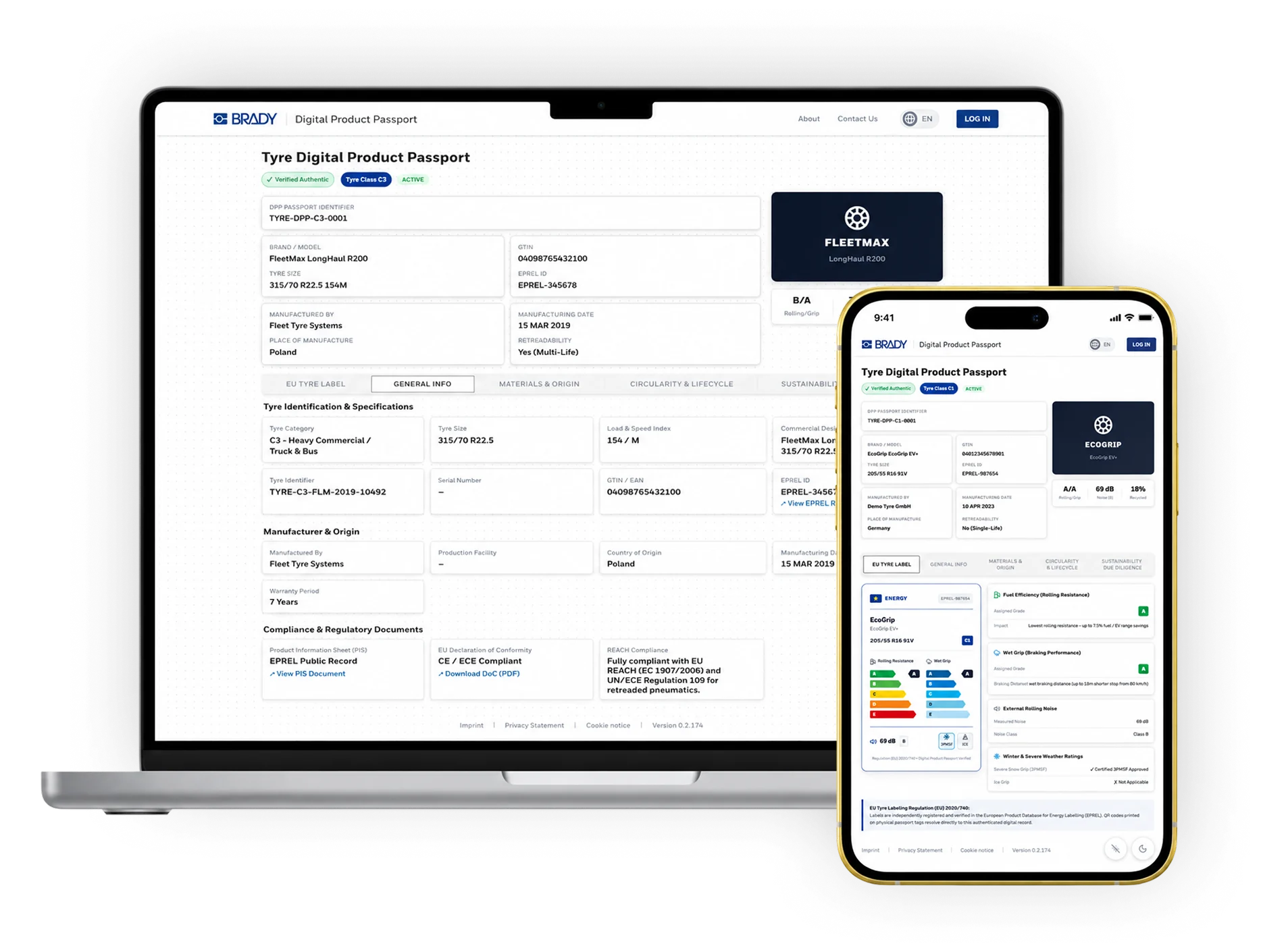
User-Friendly Interface
Empower your workforce with a unified, intuitive experience for managing Tyre Passport data and workflows across desktop, tablet and mobile devices.
From Passport Records to Business Value
A Tyre Passport starts with compliance. The same structured data can support additional commercial and operational value across the tyre lifecycle.
Improve Decisions
- Supplier Transparency: Create greater visibility across supplier declarations, sustainability evidence and material information.
- Lifecycle Analytics: Use structured tyre, service and lifecycle information to understand product performance and operational history.
Built on Proven Regulated-Industry Experience
Mature implementation experience, large-scale data processing and regulated-industry know-how for complex compliance and traceability programs.
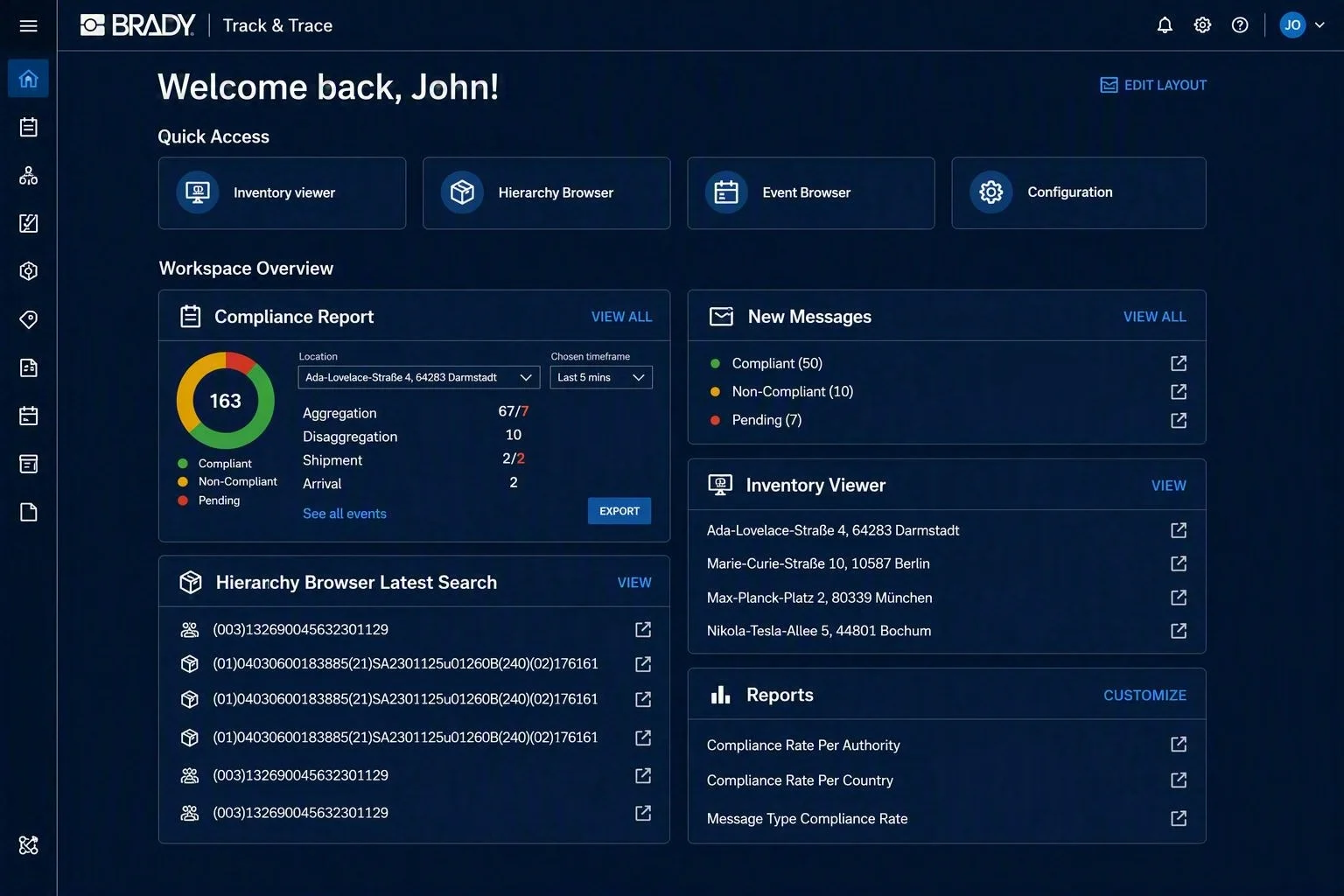
Movilizer Platform
A configurable enterprise platform for secure data capture, system integration and controlled data exchange at industrial scale. Designed to support implementation, integration and scaling across complex regulated environments.
View More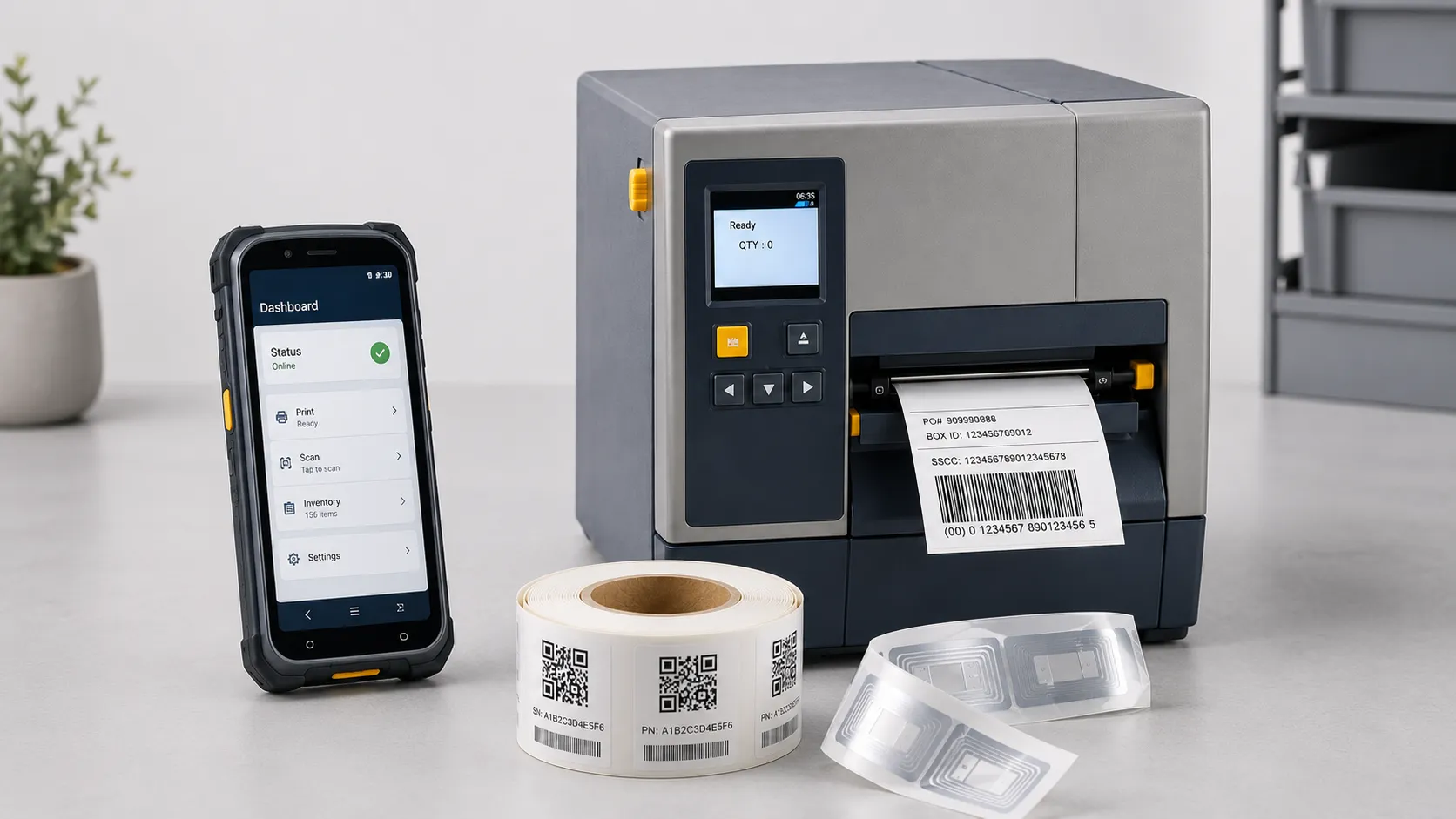
Hardware for Trusted Data Capture
Scanners, printers and mobile devices connect physical products with digital records, supporting trusted data capture for T&T and DPP workflows.
View More
24/7 Technical Support
Global support for compliance, traceability and product-data operations – ensuring critical workflows run reliably across markets and time zones.
View More